Ink dries quickly on parchment. Statements of concern evaporate even faster.
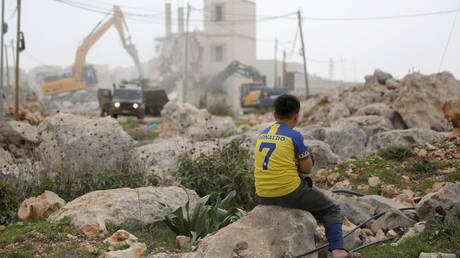
In quiet rooms across Western capitals, the choreography of diplomacy is practiced with the precision of a ballet. A crisis erupts in Gaza. Screens flicker with images of concrete reduced to powder, of smoke blooming against a Mediterranean sky, of small shoes resting in the dust. The television anchors furrow their brows with carefully calibrated solemnity. Politicians step to podiums, clearing their throats, and the performance begins.
Condemnation. Deep concern. A call for restraint.
These words are not tools of peace. They are shock absorbers. They are linguistic cushions designed to absorb the kinetic energy of public rage without transmitting a single ounce of force to the machinery of state.
Consider what happens behind closed doors, far from the microphones. The diplomatic cables hum. The arms shipments are quietly checked off on manifests. The votes at international bodies are cast with predictable regularity—vetoes raised like shields to protect strategic interests, while the humanitarian statements flow like water from a broken tap. It is a terrifying magic trick: the hands speak of sorrow, while the hands sign the authorizations.
The discrepancy between rhetoric and reality is not a bug in the system. It is the system.
For decades, the Palestinian experience has been processed through a bureaucratic meat grinder of managed expectations. Every escalation is met with a familiar script. First comes the explosion. Then comes the statement of profound regret. Then comes the diplomatic cooling-off period, where the status quo is quietly restored, waiting for the next spark.
Nothing changes because nothing is meant to change.
When a government declares that it stands with human rights while simultaneously supplying the hardware that flattens neighborhoods, it is engaging in a profound moral partition. The left hand refuses to acknowledge what the right hand is holding. The public hears the soothing lullaby of international law and humanitarian concern, missing the grinding roar of the engine underneath.
This performative grief requires an audience, and for a long time, the audience bought tickets willingly. We wanted to believe that the international community possessed a conscience, that somewhere in Geneva or New York or Washington, adults were guarding the gates of civilization.
We looked for heroes in committee rooms. We found accountants.
To understand the mechanics of this empty posture, one must look at how language is weaponized to maintain power. When powerful nations speak of the need for both sides to exercise restraint, they perform an ethical equalization. They draw a straight line between an occupying military superpower and a blockaded, stateless population living under martial rule. They treat a prison riot and a prison guard's truncheon as moral equivalents.
Language is stretched until it snaps.
An entire vocabulary has been constructed to sanitize catastrophe. Neighborhoods are not destroyed; they are cleared. Populations are not displaced; they are relocated for security. Children are not killed by high explosives; they are unfortunate collateral damage in a complex operational environment. Every tragedy is translated into an administrative error, a regrettable glitch in an otherwise noble strategy.
Behind this linguistic smokescreen lies a brutal calculus. In the cold geometry of geopolitics, certain lives are assigned a floating value. They matter enough to generate a Sunday morning tweet, but not enough to alter trade agreements, military alliances, or voting patterns in the Security Council. They matter enough to be pitied, but not enough to be protected.
This is where the collective fatigue sets in. The observer sitting thousands of miles away watches the cycle repeat. The notifications pop up on the phone screen. The outrage flares, burns bright for forty-eight hours, and then encounters the sheer, immovable wall of governmental inertia. Nothing moves. The contracts are honored. The vetoes are cast. The statements are issued.
Despair is a rational response to an irrational structure.
Yet, beneath the polished veneer of diplomatic hypocrisy, something fundamental is fracturing. The theater is losing its audience. Younger generations across the West look at the official pronouncements and see right through the greasepaint. They see the empty chairs at the negotiating tables. They see the yawning chasm between the values taught in classrooms—justice, equality, the rule of law—and the realpolitik practiced in government ministries.
The outrage may be pretend in the halls of power, but the disillusionment on the streets is entirely real.
When the history of this era is written, it will not dwell long on the communiqués issued by foreign ministries. Those documents will crumble into yellowed dust, monuments to a language that lost its meaning. Instead, the record will show a world caught between the cynical management of human suffering and the stubborn refusal of ordinary people to accept that suffering as normal.
The silence that follows a bomb blast is heavy. But heavier still is the silence of promises never kept, of declarations made to be forgotten, and of a peace that was always spoken of, never built.