The Strategic Geography of the Strait
The Strait of Hormuz is the world's most critical energy chokepoint. Through this narrow passage flows approximately twenty percent of global petroleum consumption. For any analyst, policymaker, or corporate risk officer, assessing the operational vulnerability of this route requires moving past diplomatic rhetoric and examining the physical, economic, and military architecture of the region. Recent trade disputes, vessel detentions, and mutual accusations of sabotage between the United States, Iran, and the United Arab Emirates present a complex web of geopolitical friction. To understand the exposure of global supply chains, we must dissect the mechanics of maritime transit through these waters, the cost function of routing disruptions, and the strategic deterrence mechanisms employed by the participating nation-states.
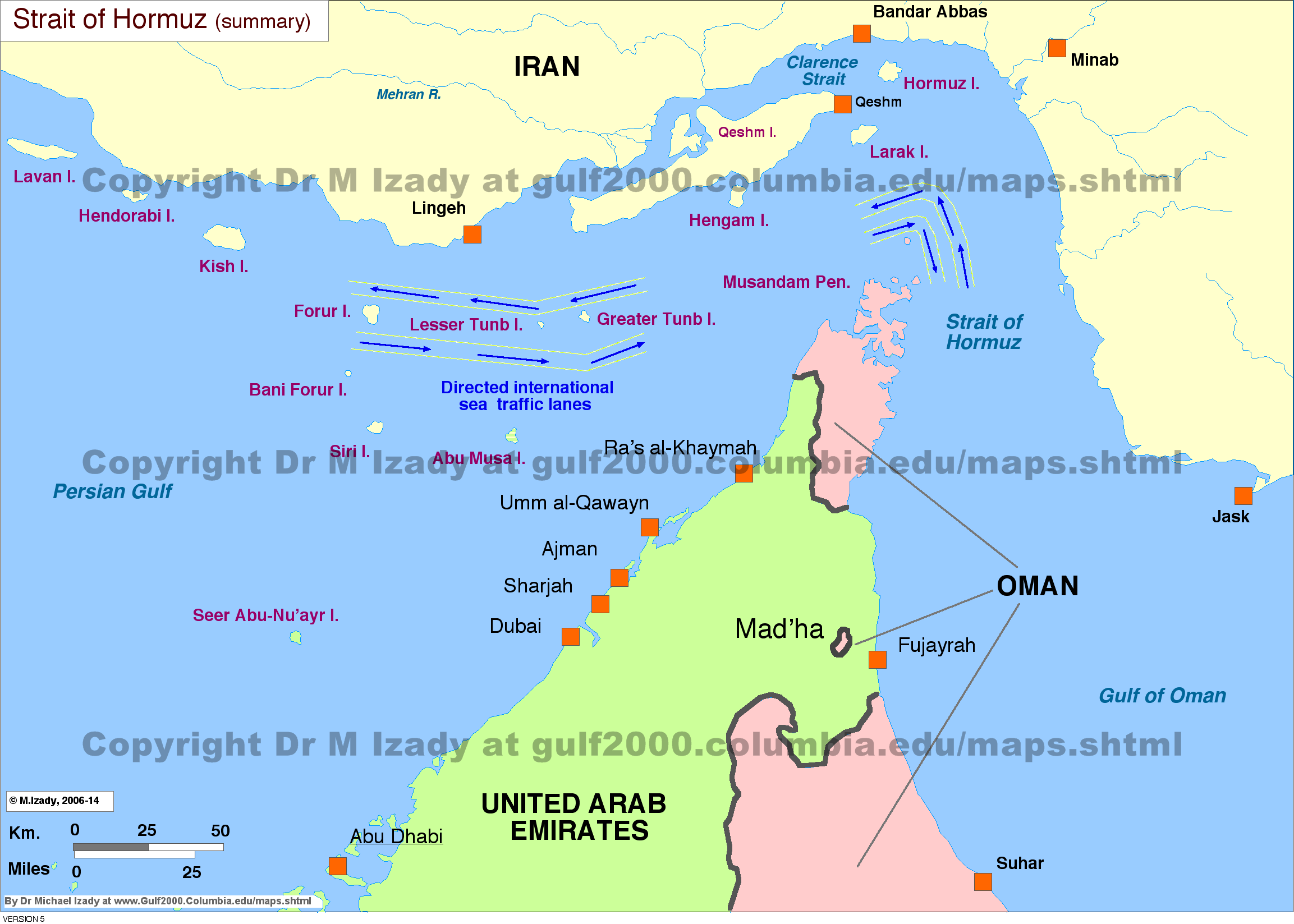
The geographical reality of the Strait dictates its vulnerability. At its narrowest point, the passage is roughly 21 nautical miles wide, but the navigable channel for deep-draft supertankers is limited to a two-mile-wide strip in either direction, passing through the territorial waters of Iran and Oman. This creates a highly concentrated bottleneck where supply elasticity is near zero in the short term. When regional actors dispute claims of sabotage or intercept merchant vessels, the immediate effect is a spike in maritime insurance premiums and war-risk surcharges.
Understanding the strategic interactions requires a breakdown of the underlying economic and military frameworks that govern the region.
The Three Pillars of Hormuz Risk
To analyze the dispute, we must categorize the regional friction into three distinct components: physical disruption, regulatory coercion, and economic elasticity.
1. Physical Disruption Mechanics
The physical threat to shipping revolves around asymmetrical warfare capabilities. Iran maintains a sophisticated arsenal of anti-ship missiles, fast-attack craft operated by the Islamic Revolutionary Guard Corps Navy (IRGCN), and an extensive inventory of naval mines. The strategic calculus of these assets relies on the concept of deterrence through disruption.
- Sea Mines: The deployment of naval mines in the shallow waters of the Persian Gulf presents a persistent threat. Clearing operations require specialized assets that are slow to deploy, effectively halting transit during the de-mining phase.
- Fast Attack Craft: Swarm tactics using small, highly maneuverable vessels can harass and intercept larger commercial and military vessels, creating tactical uncertainty.
- Land-Based Anti-Ship Missiles: Coastal defense batteries located along the Iranian coastline can target vessels within the primary shipping lanes, raising the operational risk profile for carriers.
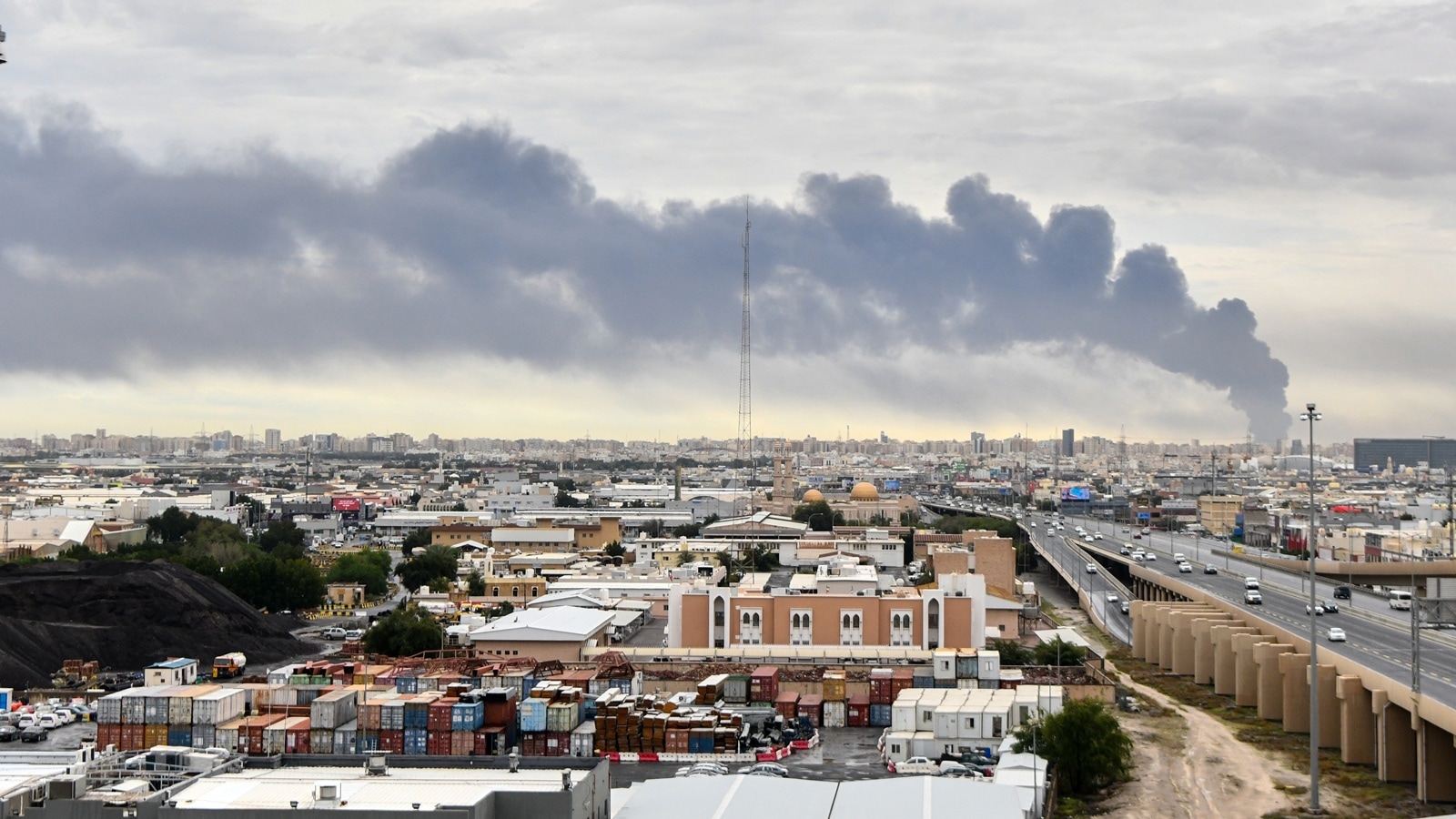
When claims of sabotage arise—such as the incidents near the port of Fujairah—the ambiguity of the attacks serves a dual purpose. It allows state actors to exert pressure on global energy markets without crossing the threshold of conventional warfare that would trigger a unified international response.
2. The Cost Function of Rerouting
When access to the Strait is restricted or perceived to be at risk, the cost function for global energy logistics changes immediately. The primary alternative to maritime transit through Hormuz is the use of bypass pipelines, which carry significant capacity constraints.
- The UAE Bypass Capacity: The Abu Dhabi Crude Oil Pipeline (ADCOP) can transport up to 1.5 million barrels per day directly from Habshan to the port of Fujairah on the Gulf of Oman, bypassing the Strait entirely.
- Saudi Pipelines: The Petroline system connects eastern production facilities to the Red Sea coast.
Despite these alternatives, the combined throughput falls short of replacing the total volume of daily transit through the passage. The cost of rerouting includes not only the physical transport fees but also the opportunity cost of delayed deliveries and higher spot-market freight rates. As a result, any escalation in trade claims causes a direct upward pressure on global crude futures, which operates as an implicit economic tax on consumer nations.
3. Regulatory Coercion and Maritime Law
The legal framework governing the Strait is defined by the United Nations Convention on the Law of the Sea (UNCLOS), specifically the rules regarding transit passage. While Iran has signed but not ratified UNCLOS, it has historically recognized the right of transit passage for foreign vessels. However, the interpretation of this right is subject to political variance.
The recent seizures of tankers by Iranian forces demonstrate an enforcement mechanism aimed at achieving specific geopolitical concessions. These operations are typically framed as legal detentions related to alleged environmental violations, smuggling, or maritime accidents. By utilizing the language of maritime law, Iran imposes operational friction on shipping companies without formally blocking the waterway.
Strategic Implications for Global Trade
The interaction between the US, Iran, and the UAE creates a dynamic where all parties manage the level of escalation to avoid a total systemic collapse. The UAE relies heavily on the security architecture provided by the United States Fifth Fleet, based in Bahrain, to maintain freedom of navigation. The US presence acts as a counterweight to Iranian influence, ensuring that any attempt to close the chokepoint faces immediate military resistance.
+-------------------------------------------------------------+
|               The Hormuz Escalation Dynamic                 |
+-------------------------------------------------------------+
|                                                             |
|   +-----------------------+       +---------------------+   |
|   |    Iranian Actions    | ----> |  US/UAE Deterrence  |   |
|   |                       |       |                     |   |
|   | - Asymmetric Threats  |       | - Naval Presence    |   |
|   | - Legal Detentions    |       | - Security Patrols  |   |
|   | - Sabotage Claims     |       | - Pipeline Security |   |
|   +-----------------------+       +---------------------+   |
|               |                              |              |
|               v                              v              |
|   +-----------------------------------------------------+   |
|   |             System Equilibrium Points               |   |
|   |                                                     |   |
|   | - Insurance Premiums Fluctuate                      |   |
|   | - Oil Transit Capacity Remains Constrained           |   |
|   +-----------------------------------------------------+   |
+-------------------------------------------------------------+
To quantify the impact, one must track the variation in the London insurance market's Joint War Committee (JWC) listed areas. When the committee expands the designated risk area to include the Persian Gulf and adjacent waters, insurance rates for tankers can rise by a multiple of ten. This creates a tangible economic penalty for operators, independent of actual physical damage.
The balance of power remains tied to the capacity of the international community to absorb supply shocks. When inventories are high, market reactions to trade claims are muted. Conversely, in a tight supply environment, even minor disruptions cause disproportionate price swings.
Strategic Forecast and Implementation Playbook
- Monitor Insurance Market Indices: Track the JWC risk area definitions to identify changes in the risk premium for supertankers operating in the Persian Gulf.
- Evaluate Pipeline Utilization: Model the capacity utilization of ADCOP and Petroline on a monthly basis to determine the maximum global buffer capacity in the event of an escalation.
- Hedge Energy Exposure: Implement hedging strategies using short-term Brent crude futures to mitigate the risk of price shocks resulting from vessel detentions.
- Analyze Naval Posture: Observe the deployment frequency and patrol routes of coalition naval forces in the region as a primary indicator of tactical stability.