Federal public health policy operates through a delicate balance of institutional research, epidemiological risk modeling, and state-level legal enforcement. When executive intervention disrupts this framework without matching empirical validation, systemic friction follows. The recent executive directive targeting childhood immunization schedules and seeking to mandate the fractionalization of combination inoculations presents a primary case study in regulatory friction. This analysis dissects the structural mechanics of the executive order, evaluating its logistical constraints, economic implications, and the operational divide between federal guidance and state jurisdiction.
The Operational Mechanics of the Executive Order
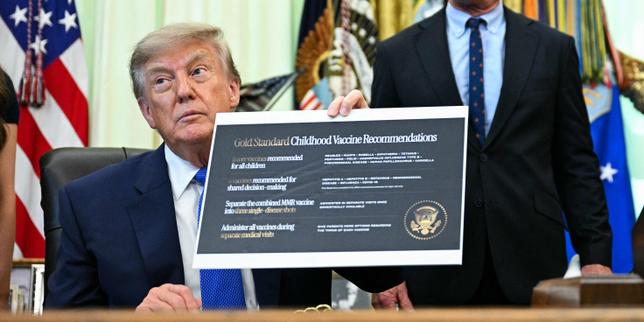
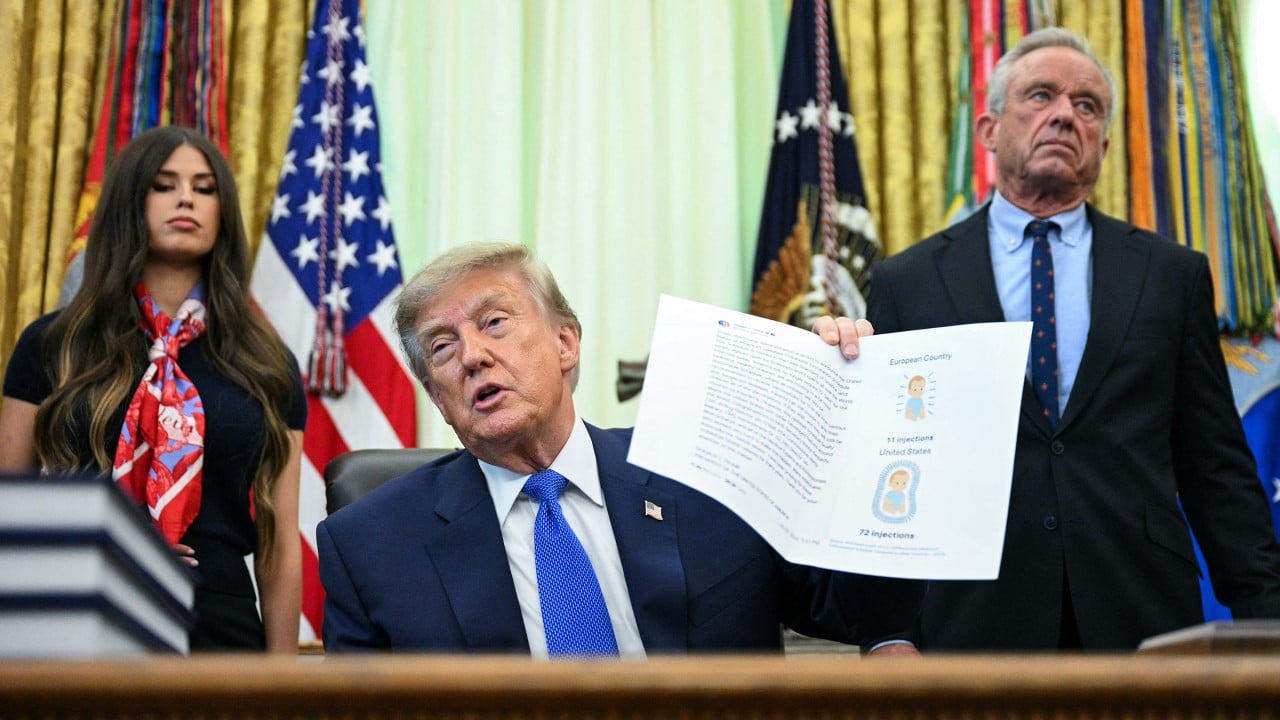
The directive issued by the executive branch mandates three core shifts in federal immunization policy: the reduction of recommended childhood vaccines, the restructuring of delivery timelines into distinct clinical visits, and the administrative development of single-antigen alternatives for combination shots like the measles, mumps, and rubella vaccine.
To evaluate the operational viability of these mandates, one must examine the supply chain and clinical constraints governing vaccine manufacturing. Combination shots, such as the MMR inoculation, were engineered to maximize compliance efficiency and minimize clinical touchpoints. The operational rationale is straightforward: reducing the number of required patient encounters decreases patient drop-off rates and limits the chronological window of susceptibility to pathogen exposure.
The mandate directs the Department of Health and Human Services to formulate pathways for standalone monovalent vaccines. However, domestic production lines for single-antigen measles, mumps, and rubella components were phased out domestically decades ago due to lack of demand and inferior clinical completion rates. Re-establishing these manufacturing vectors requires substantial capital allocation, regulatory re-licensure, and multi-year facility validation by the Food and Drug Administration. Consequently, the executive directive introduces an immediate supply chain bottleneck, as the target endpoints outpace current industrial capacity.
The Temporal Cost Function of Spaced Schedules
A central premise of the administrative order is that dispersing immunizations across expanded visit timelines reduces systemic immunological load. Epidemiological modeling evaluates this hypothesis through the lens of temporal exposure risk.
When a multi-dose or multi-antigen schedule is compressed into fewer clinical interactions, the window of vulnerability is minimized. Spacing out inoculations across five separate appointments during an infant's first year alters the risk equation by extending the duration during which a child possesses zero adaptive immunity against targeted pathogens.
- Clinical Compliance Decay: Each additional required medical visit introduces an attrition rate driven by parental time constraints, transportation logistics, and direct financial friction such as co-pays.
- Window of Susceptibility: Prolonging the inter-dose interval stretches the temporal baseline of infection vulnerability.
- Herd Immunity Thresholds: Aggregate community protection relies on high-density primary series completion prior to group settings such as institutional childcare or early education.
Data from longitudinal tracking studies consistently indicate that combined vaccine delivery correlates with higher rates of complete primary series adherence by age two. Altering this delivery mechanism downward introduces operational friction that typically depresses overall population coverage rates.
Jurisdictional Fragmentation and State Authority
A critical structural limitation facing the executive order lies in the division of legal powers between federal agencies and state governments. The federal apparatus possesses advisory and funding mechanisms via agencies like the Centers for Disease Control and Prevention, but constitutional authority over school entry requirements and public health mandates rests exclusively with individual states.
The executive directive attempts to bridge this jurisdictional gap by encouraging state legislatures to align their statutory school mandates with the revised federal schedule. Yet, state health departments operate independently, often guided by state-level advisory boards composed of pediatric epidemiologists and infectious disease specialists.
This creates a fractured regulatory landscape. If federal guidance diverges from established medical association guidelines, state authorities face a strategic choice: maintain existing evidence-based immunization prerequisites for school attendance or adopt modified frameworks that risk lowering regional herd immunity thresholds. The resulting divergence directly impacts institutional planning for school districts, local health departments, and private pediatric practices.
Economic and Administrative Externalities
Shifting from a consolidated vaccination schedule to a fragmented, multi-visit model generates measurable economic costs across both private households and healthcare systems.
From the household perspective, multiplying the required pediatric encounters from a standard consolidated wellness visit into numerous single-purpose appointments increases direct and indirect expenses. Wage-earning parents incur cumulative productivity losses from repeated time away from employment. Out-of-pocket costs multiply when insurance structures require per-visit co-payments or administrative fees for consultations that previously occurred simultaneously.
From the healthcare delivery perspective, primary care clinics operate under strict scheduling constraints. Mandating single-antigen visits and lower-density inoculation schedules increases appointment volume demands on pediatricians without expanding regional provider capacity. This mismatch risks crowding out routine wellness checks and acute care services, straining clinical infrastructure during peak seasonal illness periods.
Strategic Outlook
The execution of the revised federal vaccine policy faces severe structural headwinds, ranging from the current absence of single-antigen manufacturing infrastructure to the constitutional limits of federal power over state school mandates. Rather than establishing a functional standard, the directive initiates a period of acute regulatory uncertainty for state health authorities, clinical practitioners, and families navigating divergent public health directives. Systemic alignment will remain stalled until empirical outcomes from ongoing clinical registries reconcile administrative goals with operational realities.