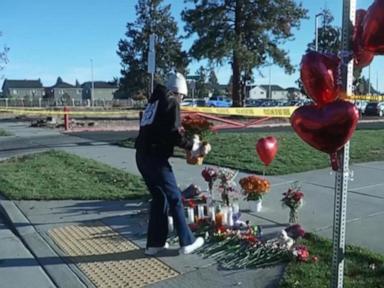
The distance between a screen glowing in a darkened bedroom and the parking lot of a house of worship can be measured in degrees of radicalization that modern institutions routinely fail to map. When authorities unspooled the details behind a foiled mass shooting plot targeting the Sri Venkateswara Swami Balaji Temple in Aurora, Illinois, the public narrative focused heavily on the immediate brush with catastrophe. A jammed rifle. An observant coworker who tipped off law enforcement. An eight-page manifesto detailing violent fantasies against South Asians. Yet treating this incident as an isolated act committed by a disturbed teenager misses a much larger, systemic pathology taking root across Western democracies.
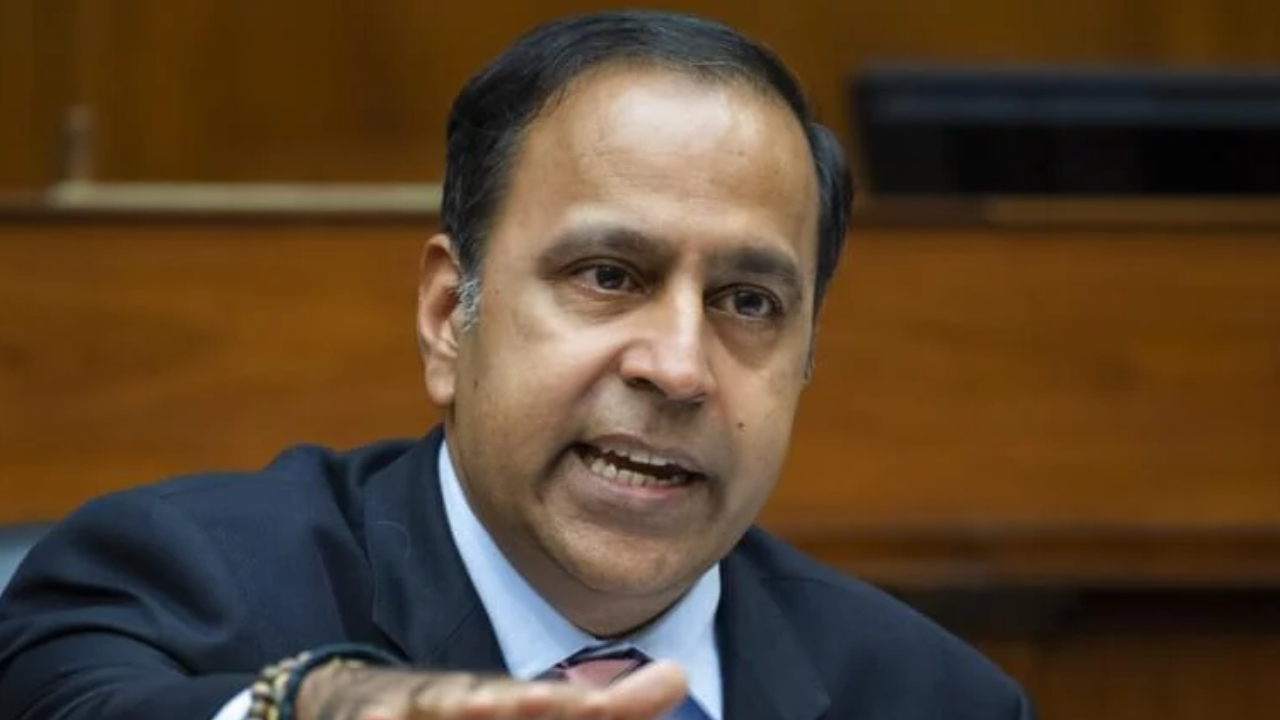
U.S. Representative Raja Krishnamoorthi, who was worshipping at the temple with his elderly parents when the plot was intended to unfold, issued a stark warning that cuts straight to the core of the crisis. This is where the accumulation of unchecked xenophobic rhetoric ultimately leads. For years, mainstream political discourse and online comment sections have treated anti-Indian and anti-Hindu animus as low-tier cultural friction or harmless internet trolling. Analysts tracking cyber-social threats note that vitriolic digital content dehumanizing South Asian communities has multiplied exponentially. When slurs framing entire populations as vectors of filth or economic parasites become normalized by talking heads, influencers, and political agitators, they cease to be mere words. They serve as the psychological architecture for domestic terrorism.
Consider the trajectory of the suspect, a nineteen-year-old local resident. Court filings and investigative disclosures paint a picture of an individual steeped in white supremacist extremist ideology, nursing grievances over a prolonged period. The manifesto recovered by police did not materialize in a vacuum. It was forged in an online ecosystem where extreme views are monetized, validated, and amplified without friction. When a society permits mainstream figures to characterize immigrant communities as invaders or economic thieves during public forums and legislative debates, it creates a permissive environment for violence. The perpetrator merely acted on the logical conclusion of premises that society had already validated as acceptable subjects of debate.
The response from federal authorities has exposed a dangerous blind spot in counter-terrorism frameworks. Despite a coalition of over one hundred lawmakers pressing the FBI to investigate the Aurora plot as a formal hate crime, the federal response has lagged behind local indictments. This hesitation highlights a structural inadequacy in how intelligence and law enforcement agencies classify and prioritize threats directed against South Asian and Hindu communities. Historically, domestic violent extremism tracking has compartmentalized threats through narrow lenses, often failing to recognize the specific contours of anti-Hindu and anti-Indian bias until bodies begin to pile up. Waiting for a successful massacre before treating a bias-motivated terror plot with federal severity is an institutional failure of the highest order.
Community defense mechanisms are shifting rapidly in response to this new reality. Administrators at places of worship across the country are moving away from open, welcoming architectures toward fortress models, installing private security teams, heavy surveillance, and restricted entry points. A cultural hub that once functioned as an open sanctuary for weddings, musical performances, and community gatherings must now operate under siege conditions. This transformation represents a quiet victory for extremism. Every time a community is forced to militarize its house of worship, the fabric of a pluralistic society frays a little more.
The danger extends far beyond the Chicago suburbs. From vandalized temples in Ohio to gunfire directed at holy sites in Utah, a persistent wave of anti-Hindu hostility has surged across the United States over recent years. These are not random acts of vandalism by troubled youths looking for mischief. They are coordinated indicators of a shifting hostile climate. If intelligence agencies and political leaders continue to treat these incidents as anomalies rather than symptoms of an organized ideological pipeline, the next plot will not be thwarted by a mechanical malfunction.
Combating this threat requires abandoning the comforting fiction that words do not have bodies. Law enforcement must modernize its analytical capabilities to track transnational and domestic networks propagating anti-South Asian hate with the same urgency applied to other forms of extremist violence. More importantly, political and media leadership must establish a zero-tolerance baseline for dehumanizing rhetoric, regardless of political expediency. Until the enablers of stochastic terror are held culturally and legally accountable, places of worship will remain targets in an escalating ideological war.
Fubu Toy review
This video provides background coverage and congressional commentary surrounding the foiled temple plot and the broader context of rising polarization.