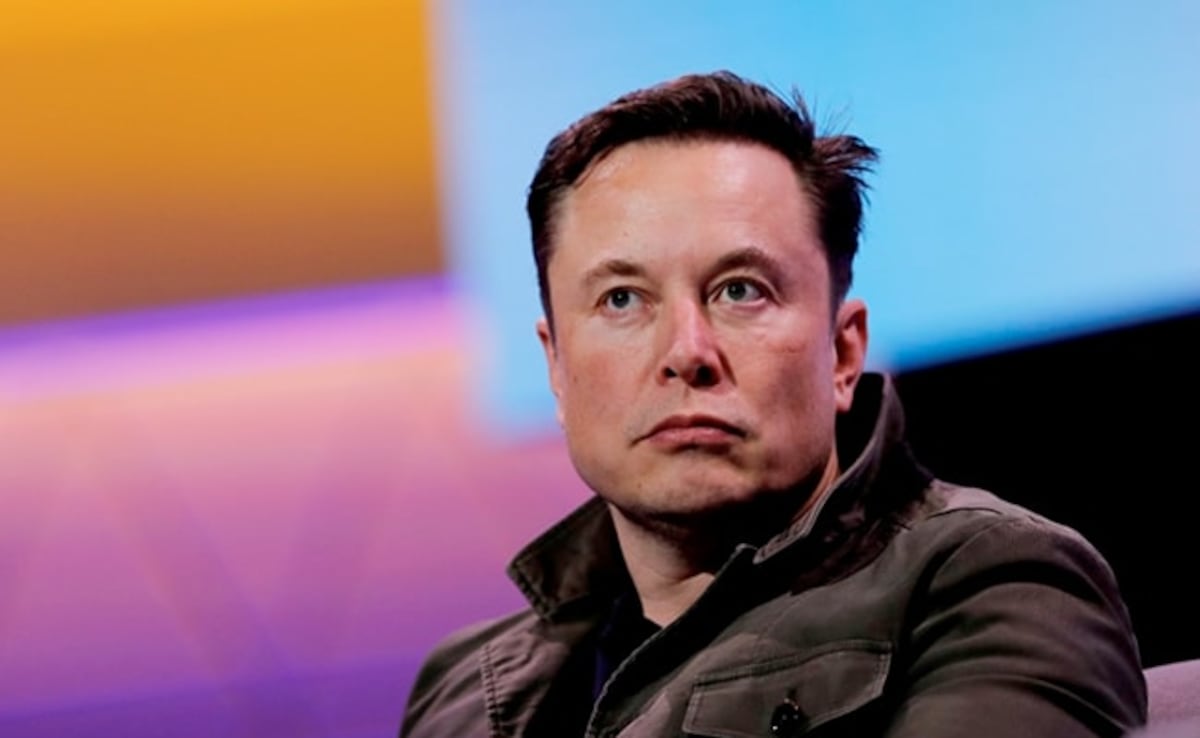
Elon Musk is currently the most-followed person on the planet, holding a megaphone that reaches over 238 million accounts directly. He is not merely a bystander on his own platform; he is its primary architect and most frequent protagonist. Recent data reveals a jarring shift in the tone and frequency of his output. Between late 2024 and April 2026, Musk has authored or amplified roughly 850 posts centered on race, with a specific, unrelenting focus on the perceived systemic discrimination against white people. This is no longer a series of erratic late-night thoughts. It is a systematic campaign.
The frequency of these posts has nearly tripled compared to the first two years of his ownership. In January alone, Musk posted about race almost every single day. The narrative is consistent and grim. He describes a world where the "white race" is a dying minority, where Western civilization faces an existential threat from "poisonous propaganda," and where demographic shifts are framed as a precursor to "slaughter." To understand why the world's richest man is obsessed with "reverse discrimination," one must look past the tweets and into the machinery of X itself.
The Architecture of Amplification
Under the previous regime, Twitter utilized a moderation philosophy that prioritized the protection of marginalized groups, often at the expense of absolute free speech. Musk inverted this. By dismantling the "Diversity, Equity, and Inclusion" (DEI) frameworks both within his companies and as a concept he critiques daily, he has created a vacuum.
Into this vacuum, Musk has injected a specific brand of nativism. He doesn't just post content; he interacts with accounts that were once relegated to the digital fringes. When Musk replies "True" or "Exactly" to a post claiming that "white solidarity is the only way to survive," he isn't just expressing an opinion. He is signaling to the X algorithm that this content is high-value.
The technical reality of X in 2026 is that the owner’s engagement acts as a "super-vote." Because the algorithm is tuned to prioritize the "For You" feed, a single Musk interaction can catapult an obscure account into the feeds of millions who never followed it. This has effectively shifted the "Overton Window"—the range of ideas tolerated in public discourse—to include rhetoric previously classified as white nationalist or extremist.
The Business of Identity Politics
The pivot toward grievance isn't just ideological; it has profound business implications that are currently fracturing the company’s bottom line. X is projected to capture only 0.2% of worldwide digital ad spending in 2026. For comparison, Meta’s platforms are expected to hold nearly 15%.
Advertisers are not fleeing because they are "woke," as Musk often claims. They are fleeing because of "brand safety." A corporation selling laundry detergent or insurance does not want its digital billboard appearing next to a thread about "white genocide." The data shows that the average number of "likes" on hate-speech posts has increased by 70% under Musk’s tenure. For a Chief Marketing Officer, that isn't a marketplace; it’s a minefield.
Yet, there is a different kind of "ROI" at play here. Musk’s alignment with far-right movements in the U.S., the U.K., Germany, and Italy has turned X into a geopolitical tool. By positioning himself as the defender of a "persecuted majority," he has secured a core, fiercely loyal audience. This base provides him with something more valuable than ad revenue: political leverage. His role in the 2024 election and his subsequent influence on government efficiency commissions suggest that the "Grievance Algorithm" is a feature, not a bug, of his broader power strategy.
The Great Replacement in the Mainstream
The most controversial aspect of Musk’s 850-post streak is his flirtation with "Great Replacement" rhetoric. This theory suggests a deliberate plot by elites to replace white populations through immigration. While Musk denied subscribing to the theory in a 2024 interview, his posting history tells a more nuanced story.
He has repeatedly claimed that "Whites are a rapidly dying minority" and has used his platform to attack the "White liberal" standard for behavior. These aren't abstract philosophical debates. Experts in extremism point out that this specific language has been cited in the manifestos of mass shooters in Buffalo and Pittsburgh.
A Disconnect from Public Sentiment
Despite the massive reach of these posts, there is a widening chasm between Musk’s digital reality and the actual American public.
- Pew Research Data: Only 12% of Americans believe white people face "a lot" of discrimination.
- User Engagement: While Musk's personal numbers are up, X’s total user base is projected to decline by 2.7% as casual users migrate to platforms with less friction.
This suggests that Musk is talking to a shrinking, yet increasingly radicalized, room. He is effectively building a "digital fortress" for a specific ideological demographic.
The Global Conflict over Speech
The focus on "discrimination against whites" has put Musk on a collision course with international regulators. The European Union and the U.K. have both signaled that X's current trajectory may violate safety acts designed to curb hate speech and misinformation.
Musk’s defense is always centered on "natural, inalienable rights." He frames the pressure from the EU and the Biden-Harris administration as a "censorship-industrial complex." In his view, any attempt to moderate the claims he promotes is an act of foreign aggression against American sovereignty. This has turned a tech platform into a legal battlefield where the definition of "protected speech" is being rewritten in real-time.
The irony is that while Musk claims to be fighting for "all" speech, the structural changes to X suggest a hierarchy. Accounts that echo his views on race and immigration are frequently "white-listed" or boosted by the recommendation engine. Meanwhile, investigative journalists and dissenting voices often report "shadow-banning" or reduced reach. The platform is not a neutral town square; it is a curated experience designed to validate a specific worldview.
The Cost of the Narrative
As we move further into 2026, the question is no longer whether Musk is posting about race, but what the endgame of that posting is. The "850 posts" are not just data points; they are the bricks of a new digital order. By centering the narrative on white grievance, Musk has successfully decoupled X from the mainstream advertising economy and reattached it to the global populist movement.
This transformation has left Tesla and SpaceX in a precarious position. Investors have expressed concern that the "mask is fully off," and that the CEO's personal brand is now synonymous with racial politics. For a company like Tesla, which relies on a broad, global consumer base, this association is a liability.
The strategy is clear: Musk is betting that the future of power lies not in being liked by everyone, but in being indispensable to a specific, motivated faction. He is using X to engineer a reality where his grievances are the platform’s grievances. The algorithm isn't just showing you what you like; it is showing you what the owner wants you to believe is true.
X is no longer a social network. It is an instrument of narrative warfare, and the data suggests the battle is only beginning.