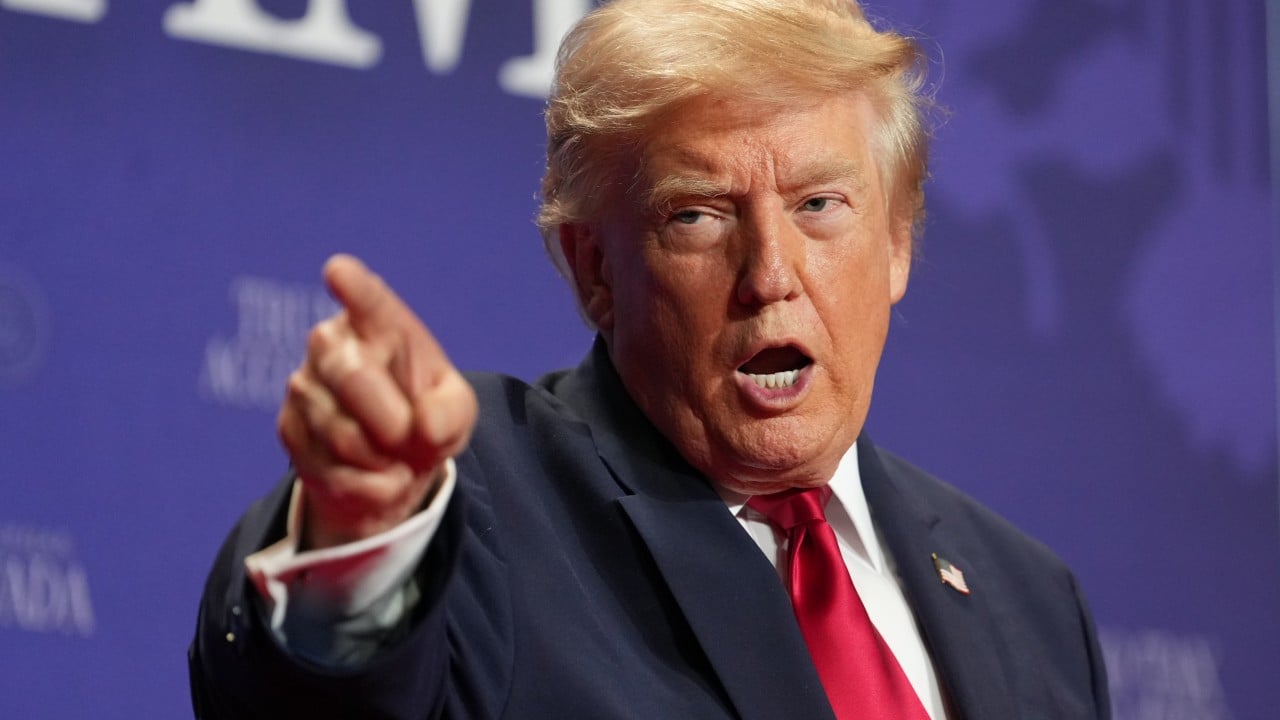
The State Department says it has revoked more than 300,000 visas since President Donald Trump returned to office in January 2025, a figure announced in late October 2026 that marks a steep acceleration from earlier totals of over 100,000 in January and more than 175,000 by August. State Department spokesman Tommy Pigott framed the milestone on X as proof of unmatched enforcement speed and zero tolerance for foreigners who break the law, commit fraud, or threaten national security. Yet a big round number in a press release rarely tells the full story. Behind that headline sits a quiet machinery shift inside American diplomacy, an opaque ledger of cancellations, and a widening gap between revoking a travel sticker and actually removing someone from the country.
Having covered immigration policy and consular operations for more than two decades, I have watched administrations of both parties treat visa numbers as political theater. Officials love a clean metric because raw volume looks decisive on a cable chyron. Consular officers and immigration lawyers, by contrast, spend their days untangling the messy realities that a single tally hides. When Washington announces over 300,000 revocations without publishing a complete breakdown by visa category, nationality, or statutory ground, analysts are forced to read between the lines of sporadic disclosures and enforcement announcements.
What a Revoked Visa Actually Does
People hear the word "revoked" and picture a knock on the door or an immediate escort to the airport. That is not how the system works.
A visa is an entry document issued by the State Department, usually at a U.S. consulate abroad, allowing a foreign national to travel to a port of entry and ask for admission. Once a traveler is inside the United States, their lawful stay is governed by their immigration status and Form I-94 record, overseen through Department of Homeland Security and U.S. Citizenship and Immigration Services frameworks. Revoking the visa stamp in a passport does not automatically erase a person's lawful status inside the country or trigger an automatic deportation order.
Instead, revocation acts more like a trapdoor or a tripwire. If a foreign national with a revoked visa leaves the United States, that visa generally cannot be used to return, forcing the traveler to apply for a new visa under tighter scrutiny and face the risk of denial. Inside the country, revocation can create collateral damage, complicate extensions or adjustments, and prompt DHS to initiate removal proceedings. A judge—not a consular officer—decides contested removal cases in immigration court, though faster tracks exist in specific circumstances.
Consider a hypothetical example to see how confusion spreads. Suppose a foreign engineer holds a valid work visa and is lawfully working in Texas on an active I-94 record, and the State Department revokes the visa while the engineer is at home. The engineer is not suddenly an undocumented fugitive at breakfast the next morning. Still, booking an international flight without checking legal options first could turn a routine trip abroad into a months-long lockout. That distinction matters enormously when panic drives bad decisions.
Continuous Vetting and New Enforcement Tracks
The scale of the 300,000 figure reflects more than sporadic case-by-case reviews. It points to expanded continuous vetting—ongoing checks on visa holders after issuance rather than treating approval as a one-time gate.
In its August 2026 fact sheet marking more than 175,000 revocations, the State Department highlighted continuous vetting aimed at ensuring visa recipients follow visa terms and do not pose security risks. Secretary of State Marco Rubio also invoked foreign policy grounds to deem certain foreign nationals deportable, citing examples ranging from individuals tied to foreign regimes to a Laotian child sex offender pardoned in Minnesota. By October, administration disclosures added specific buckets: at least 4,000 revocations tied to alleged birth tourism, 6,000 student visas revoked over claimed crimes or terrorism ties, and more than 700 visas held by Chinese nationals revoked since August 2026 by a Birth Tourism Prevention Task Force.
Two policy moves in late summer and early fall of 2026 show how the administration widened the net. In August, President Trump signed two executive orders targeting birth tourism, creating new avenues for visa restrictions and revocations. On September 23, the State Department rolled out a public reporting portal inviting tips on suspected visa fraud and misuse. Crowdsourcing accusations alongside automated screening gives officials a steady stream of leads, though tips vary wildly in quality and require verification before real harm is done.
Social media screening has become another major pressure point. Rights advocates have raised alarms over revocations connected to political expression, including foreign nationals involved in pro-Palestinian protests and online commentary surrounding the death of conservative commentator Charlie Kirk. Critics argue that broad national security or foreign policy rationales can sweep up protected speech, chill campus debate, and fuel concerns about racial profiling—particularly among ethnic minorities and communities such as Somali Americans in Minnesota.
The Missing Data and Overlooked Costs
A veteran analyst looks at a 300,000 announcement and immediately asks what is missing from the table. We still lack a comprehensive public breakdown of how those 300,000-plus revocations divide across tourist, student, exchange, and employment categories, or across nationalities. Without that ledger, observers cannot tell how much of the total comes from routine administrative actions, fraud findings, criminal records, policy shifts, or political vetting.
Here is an angle that gets far less attention than courtroom battles over speech: operational friction across legal immigration. During the 2024 campaign, Trump emphasized stopping illegal immigration, yet his second term has also raised hurdles for lawful channels—including steep fees for certain work visas and tighter scrutiny across the board. Even when an employer's worker retains valid status inside the United States, a sudden visa revocation can disrupt cross-border travel, project timelines, and staffing plans. Universities face a parallel risk if international students and researchers feel unwelcome or uncertain about travel.
There is also a legitimate counter-perspective worth taking seriously, even if you disagree with how the current administration wields its authority. Every sovereign nation has a core interest in deterring visa fraud, policing criminal conduct, and screening out security threats. Past administrations also used visa revocations as a tool, and consular officers have long had wide discretion when new derogatory information surfaces. The debate is not whether visa revocation should exist; it is whether speed, opacity, and expansive definitions of misconduct are outrunning basic fairness and institutional restraint.
Gray Areas on the Ground
Nothing in immigration enforcement is neat, and pretending otherwise helps nobody. Some revocations are later reversed or followed by successful new applications, while others lock people out for years. Notice practices can leave travelers blindsided—many people only learn a visa was revoked when an email arrives at an old application address or when they run into trouble trying to fly.
For foreign nationals, employers, and universities watching this trend unfold, practical caution beats rumor every single time. Anyone holding a U.S. visa or managing international talent should keep copies of key records—passport, visa foil, Form I-94, and any pending filing receipts—and speak with qualified immigration counsel before making international travel plans. A 300,000 headline may satisfy a political narrative in Washington, but out in the real world, individual facts and legal nuances still decide who gets in, who stays put, and who gets stranded.


