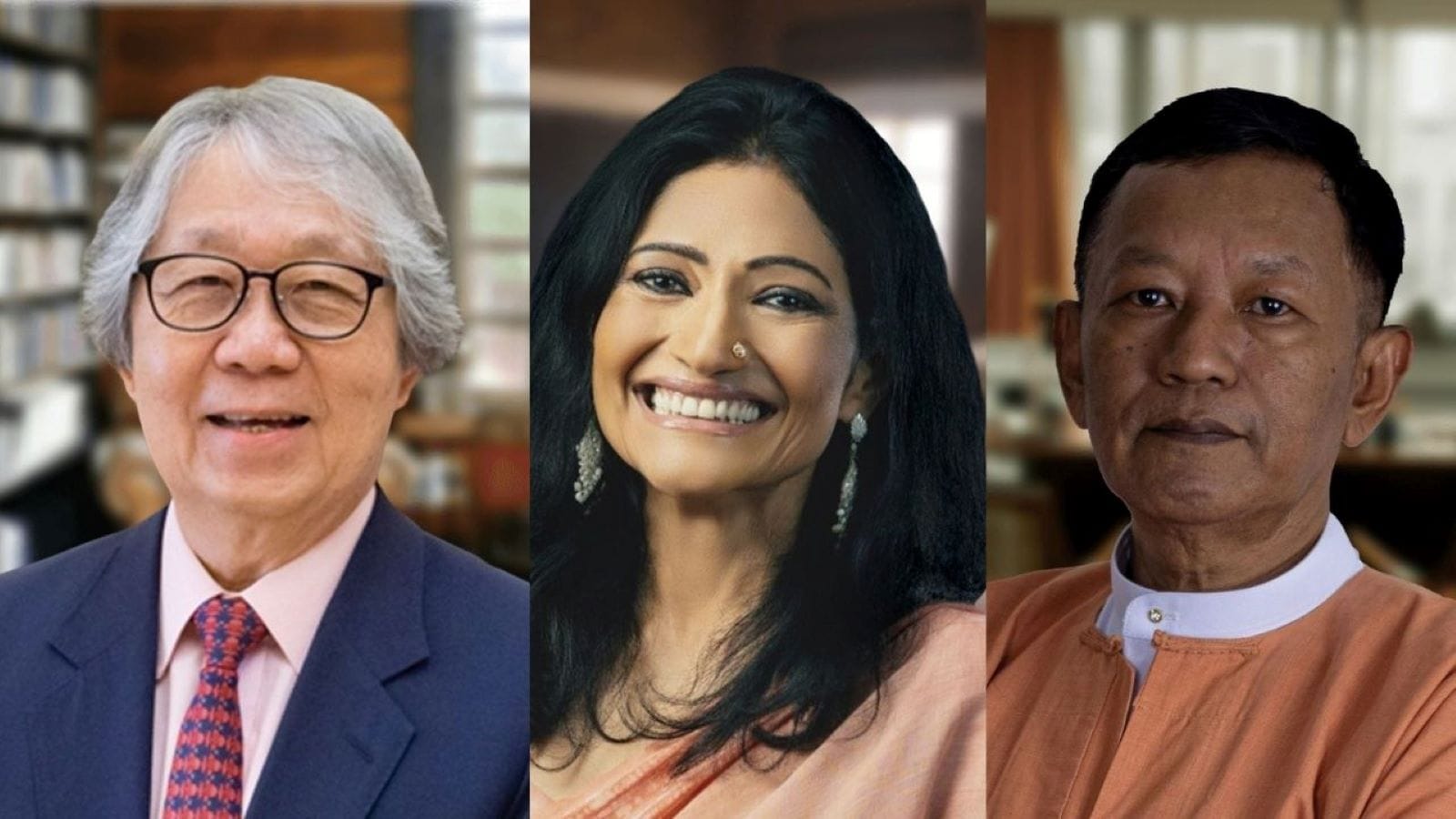
We hear about international awards all the time, but the Ramon Magsaysay Award hits differently. Often called Asia's version of the Nobel Prize, it doesn't go to comfortable corporate elites or detached theorists. It honors real grit. The 2026 recipients—Tommy Koh, Runa Khan, and Bo Kyi—prove that systemic change takes decades of stubborn, unglamorous labor. If you want to understand how diplomacy, climate resilience, and human rights actually survive in a messy world, look at what these three achieved.
Tommy Koh and the Power of Quiet Diplomacy
Let's talk about Tommy Koh. At an age when most people are long retired, the Singaporean diplomat remains a masterclass in how small nations punch above their weight. Born in 1937, Koh spent over five decades in foreign service and legal scholarship. He didn't just attend meetings. He shaped the rules we live by.
His crowning achievement is chairing the conference that adopted the United Nations Convention on the Law of the Sea back in 1982. People call it the constitution for the oceans. It sounds dry on paper, but that framework defines territorial waters and maritime economic rights for over 150 countries. When an arbitration panel in The Hague invalidated China's expansive maritime claims in 2016, Koh's convention served as the foundational legal bedrock.
Koh shows us that patience wins. In a political climate where leaders shout on social media for quick dopamine hits, Koh spent years ironing out compromises between hostile nations. Beyond the oceans, he helped build institutions like Singapore's Institute of Policy Studies and Tembusu College. He proves that intellectual rigor matters.
Runa Khan and Grassroots Resilience in Bangladesh
Shifting from high-level maritime law to the shifting riverbanks of Bangladesh, Runa Khan takes a completely different route to impact. Coming from an affluent family, Khan could have chosen a comfortable life. Instead, she founded the organization Friendship in 2002 to target the absolute poorest of the poor.
Bangladesh faces brutal climate realities. River erosion swallows entire villages overnight, leaving communities stranded without basic infrastructure. Khan didn't wait for government bureaucracy. She built floating hospitals that sail down major rivers to deliver healthcare directly to isolated riverine and coastal populations.
What started as a single floating clinic has evolved into a massive social enterprise employing over 7,500 people. Her operation runs seven hospital ships, land-based clinics, and hundreds of mobile health units. Crucially, Khan tackles climate adaptation head-on. She pioneered movable schools that can be dismantled within hours when erosion threatens, ensuring children don't miss out on education. Her sustainable economic hubs have generated jobs for over 205,000 people. Khan turns privilege into direct responsibility. She doesn't just hand out charity; she builds local structures that last.
Bo Kyi and the Fight for Human Dignity in Myanmar
While Koh works in conference halls and Khan builds floating clinics, Bo Kyi fights a war of memory and survival. As a former student activist and political prisoner in Myanmar, Kyi endured years behind bars under brutal military detention. The regime tried to break him. They even attempted to recruit him as an informer. He refused.
Instead of letting prison silence him, Kyi turned his trauma into a weapon for accountability. In March 2000, he and fellow former political prisoners established the Assistance Association for Political Prisoners. The organization documents every arbitrary arrest, tracks detainees, and supports families left behind.
When dictatorships try to erase political opponents, groups like the one Kyi built ensure those prisoners remain visible to the world. He demonstrates a brutal truth: oppressors can lock physical bodies behind iron doors, but they cannot control historical memory. His work is dangerous, exhausting, and utterly essential for anyone who cares about democratic freedom in Southeast Asia.
Why These Three Winners Matter Today
The Ramon Magsaysay Award Foundation picked a unifying theme for this cycle: building a world for all. It sounds like a marketing slogan until you trace the actual resumes of Koh, Khan, and Kyi.
They operate in completely distinct spheres. Koh navigates global treaties. Khan engineers local climate resilience. Kyi documents human rights abuses in a war-torn state. Yet they share a stubborn refusal to accept that things cannot change. They don't look away from difficult problems.
If you want to support real change in your own sphere, stop looking for silver bullets. True impact looks like Tommy Koh spending decades perfecting international law, Runa Khan steering hospital ships down treacherous rivers, and Bo Kyi keeping a ledger of political prisoners when the world looks away. Study how they work, adapt their persistence, and start building something that outlives you.