Walk into a Palm Beach County watch party on election night and you'll see something that looks less like a dry precinct meeting and more like a Friday night reunion with a political soundtrack. Music plays. Raffles spin. People wear red, white, and blue.
Then the early returns start flashing on the screens.
That shift from upbeat camaraderie to stunned quiet on November 3, 2026, captures a bigger story than a single rough evening in South Florida. For years, groups like Trumpsterz Tuesdays built a loyal following by turning partisan politics into a weekly social ritual near Mar-a-Lago. When the 2026 midterm elections handed Democrats control of both the U.S. House of Representatives and the U.S. Senate, the mood in those rooms exposed just how fragile pure movement enthusiasm can be when ballot-box math turns against you.
The party didn't end because supporters stopped caring. It hit a wall because cheerleading isn't a governing strategy or a permanent midterm firewall.
How Trumpsterz Tuesdays Became a Weekly Social Anchor
To understand why election night felt so jarring for the Trumpsterz, you have to look at how the group started. Co-founders Tommy Gianquitti and Lisa Menk began meeting in August 2020 with a tiny circle of people talking about the upcoming presidential race. After that election didn't go their way, frustration turned into a regular Tuesday meetup—first framed around "therapy" for upset supporters and later branded as Trumpsterz Tuesday Triumph.
Honestly, that origin story explains half the appeal. Politics in the 2020s hasn't just been about tax rates or judges; it's been about belonging. Many members felt alienated from friends, neighbors, or coworkers over their political views. A weekly gathering with five-minute speakers, DJs, trivia nights, dinners, and happy hours gave people a place where they didn't have to apologize for who they backed.
Over six years, a tiny group grew into a local fixture with thousands of followers in Palm Beach County. It wasn't structured like a traditional party committee doing door-to-door canvassing spreadsheets. It was a community club with a clear vibe: upbeat, loud, unapologetic, and loyal.
Why Vibe Politics Feels Invincible Until Midterms Arrive
Presidential cycles and midterm cycles operate on completely different clocks. A president or movement icon can pack a room, command headlines, and dominate social feeds even when midterm voters stay home or swing back toward the opposition.
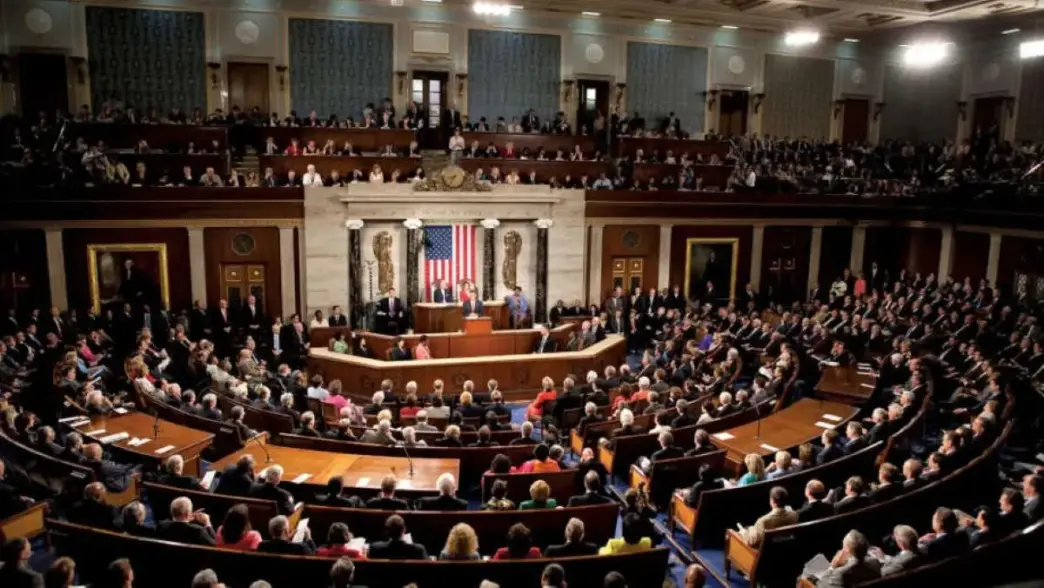
In the 2026 midterms, that gap showed up everywhere. Heading into November 3, Republicans held majorities in both chambers of Congress—218 to 214 in the House (with an independent caucusing with Republicans and two vacancies) and 53 to 47 in the Senate. By mid-November, Democrats had flipped both chambers, taking control of the House with more than 250 seats called and winning enough Senate pickups to flip the upper chamber as well.
That kind of wave doesn't happen by accident. When an administration has been in power for nearly two years and voters feel squeezed by costs, policy friction, or frustration with Washington, midterm voters tend to treat the ballot like a referendum. A great DJ at a watch party can't override voter fatigue in swing districts.
What the 2026 Midterms Actually Changed on the Map
People love sweeping narratives about political movements dying overnight. I don't buy that—movements rarely vanish all at once, especially ones rooted in real friendships and local identity. What did break in November 2026 was the assumption that loyalty in red enclaves equals national momentum.
Look at the range of upsets across the 2026 map:
- House flips across battlegrounds: Democrats surged well past the 218-seat threshold in the U.S. House, turning previously held Republican seats and cutting deeply into GOP margins.
- Senate shockwaves: Races that looked safe or competitive only months earlier broke sharply for Democrats. Veteran Republican Sen. Susan Collins lost in Maine to Democrat Troy Jackson, Sherrod Brown won a special election in Ohio against Jon Husted, and Democrat Scott Colom pulled off a stunning upset over Republican Sen. Cindy Hyde-Smith in Mississippi.
- Deep-red surprises: Even in traditionally conservative states like South Carolina, Republicans faced painful losses that underscored how broad the anti-incumbent mood had become.
When results like that roll in while supporters are gathered at a venue like the Palm Beach Kennel Club expecting a triumph, the contrast hits hard. You can celebrate every Tuesday when spirits are high. Watching a red wall crack in real time on big screens is a completely different experience.
Four Misconceptions About Watch Parties and Movement Fatigue
Whenever a high-energy political group hits a rough patch, commentators tend to jump to lazy conclusions. Having followed grassroots organizing and political media for years, I see four recurring mistakes people make when reading moments like this.
1. Assuming a Quiet Watch Party Means Supporter Apathy
A quieter room on election night doesn't automatically mean people stopped caring. Often it means shock, disappointment, or people trying to process numbers they didn't expect. Emotional whiplash is part of partisan politics.
2. Treating Social Clubs as Full-Scale Campaign Machines
Groups built around happy hours, raffles, speakers, and camaraderie do something vital: they keep people connected. Still, social bonding isn't the same thing as persuading undecided swing voters in suburban or rural districts. Mistaking room energy for electoral reach is a classic trap for any side of the political spectrum.
3. Ignoring the Limits of Personal Loyalty
Even die-hard supporters have practical concerns—grocery bills, healthcare costs, local jobs, and everyday stability. When voters feel those pressures, loyalty to a leader or slogan often gets tested against kitchen-table realities.
4. Calling Every Midterm Rebuke a Permanent Erasure
Midterms are notorious for punishing the party holding the White House. A bad November in 2026 tells us plenty about voter dissatisfaction right now, yet it doesn't permanently erase local conservative networks in places like South Florida. Politics moves in cycles, not straight lines.
What This Moment Means for Grassroots Organizers and Voters
If you run a local political group—or just pay attention to how movements survive setbacks—there's a real lesson here. High-energy gatherings feel great when everything is breaking your way. When the scoreboard flips, though, groups either adapt or turn inward into pure grievance.
Watch coverage and election breakdowns from outlets like the Financial Times, Ballotpedia, and Encyclopaedia Britannica if you want to check district-by-district numbers rather than relying on vibes or social media clips. Looking at actual vote shifts helps separate real trends from confirmation bias.
If you're part of a community group—political or civic—focus on what happens between big elections:
- Audit your actual impact: Ask whether your meetings mainly entertain regulars or genuinely help people understand issues and participate locally.
- Track real turnout and margins: Compare local precinct results against prior cycles instead of judging success by how loud the room gets.
- Keep conversations grounded: When results disappoint your side, resisting blame-shifting and sticking to clear, practical priorities keeps a group healthy long after the music stops.
The loudest parties always feel like they'll last forever. Until the night the lights come up and everyone has to face the numbers.